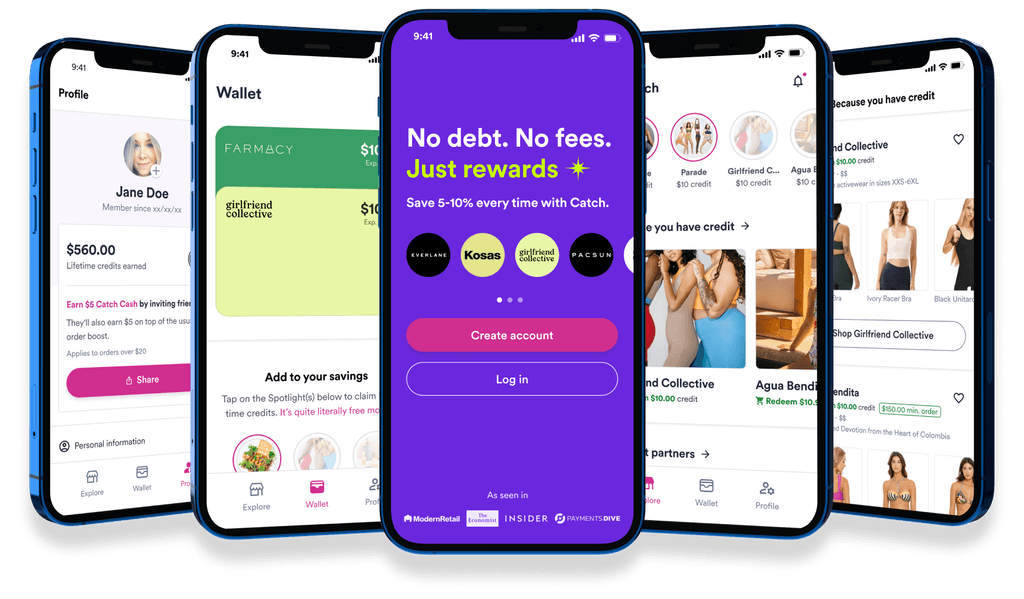
Building the Catch Mobile App
This project was made for Catch
Let's dive into the results
+25K user downloads
by the end of Q4, more than 2X'ing expected projections
66% higher conversion
rate observed for new users during checkout
40% more transactions
Users favor the app's shopping experience
Roles
Research
UX Design
Visual Design
Copywriting
Prototyping
QA
Deliverables
Market Research
Competitive analysis
User Research
Usability Testing
Low-fidelity concept explorations
High-fidelity mockups, prototypes, specs
Animations
Design system
Problem
Upon conducting a comprehensive analysis of our competition, market trends, and user feedback, it became apparent that there is a significant gap in Catch's strategy: the absence of a mobile app. This gap placed Catch at a disadvantage compared to competitors and current market trends. Additionally, it created notable challenges for users navigating the web platform, potentially impacting trust and engagement. As a result, Catch experienced lower user engagement, decreased loyalty, and missed revenue opportunities.
Solution
Introducing a mobile app that included these features:
Wallet tab:
- Provided a flexible framework for credit visualization, sorting, and potential restrictions
- Enhanced product discoverability and encourages purchases
- Facilitated gifting of credit
Explore tab:
- Provided diverse shopping categories for users
- Included search functionality
- Enhanced discoverability of brands and products
- Provided direct access to Product Detail Pages (PDP)
- Improved overall user experience through way-finding
Profile tab:
- Enabled push notifications for deal alerts
- Offered direct access to customer support
Market Research Findings
I supported research process and we identified these findings:
1-
A mobile app is not merely a competitive necessity but also signifies reliability and trustworthiness for users.
2-
Apps provide a more immersive and interactive experience, resulting in increased user engagement compared to web platforms.
3-
Mobile apps offer a smoother and more intuitive user experience (UX) than mobile websites, incorporating features like touch gestures, swipe navigation, and optimized layouts for smaller screens.
4-
Users are selective about managing their phone's storage capacity and prioritize apps that offer frequent utility and tangible improvements to their overall user experience.
5-
Companies with mobile apps often enjoy higher brand loyalty from users who value the convenience and personalized experiences provided by the app.
Hypothesis
Our hypothesis was that developing the Catch mobile app would result in significant benefits. It would improve accessibility, enhance trust, streamline user experience, facilitate efficient communication of promotions, and enhance the discovery of brands and products.
Competitive Analysis and Wireframing
Conducting a thorough analysis of our competitors' offerings allowed me to identify opportunities for Catch. I translated the insights gathered into wireframes to outline the flow and emphasize essential components and features to be included in both the onboarding process and app navigation.

Design System
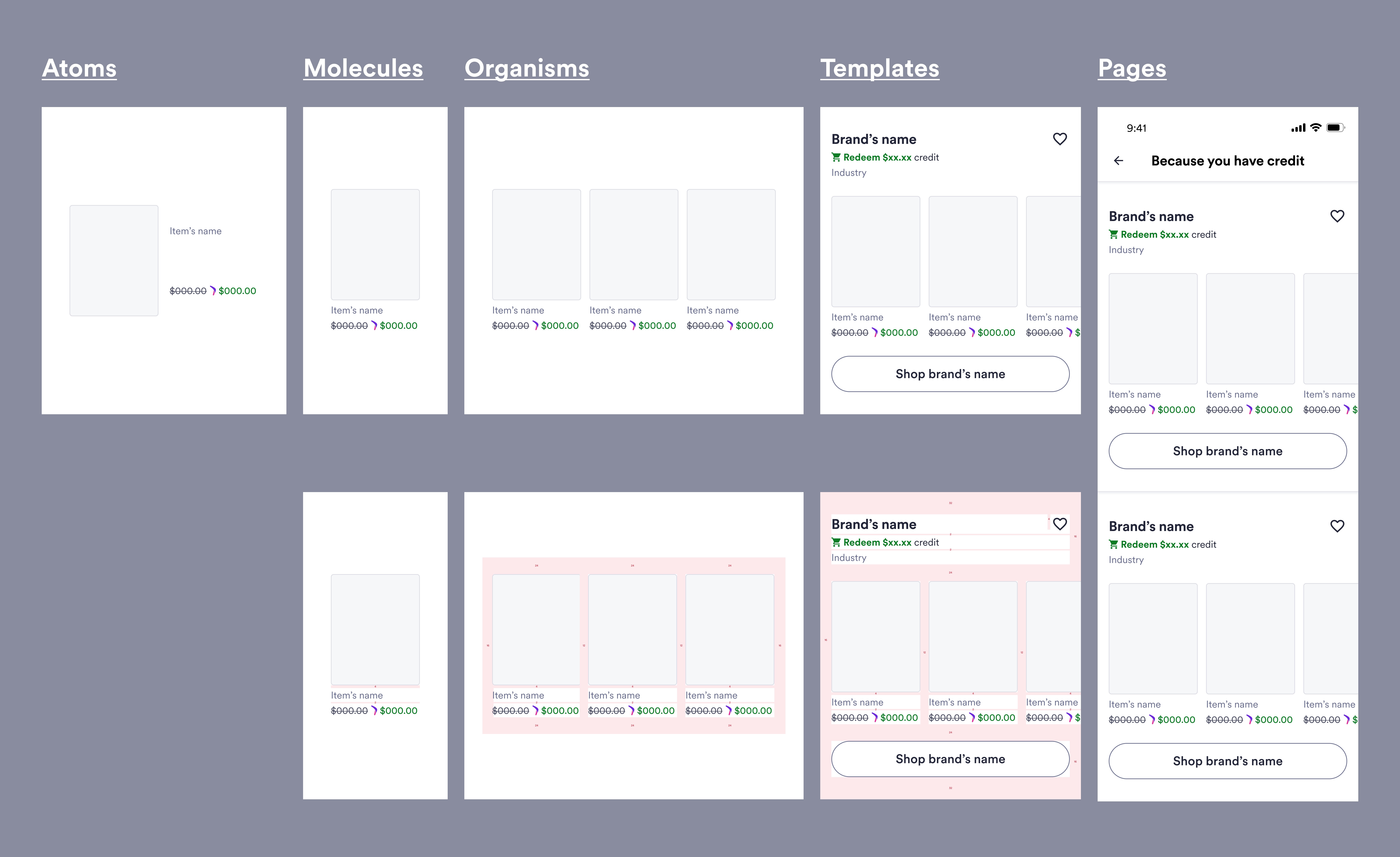
The design system I developed for the app draws from Catch's global design system to ensure visual consistency. By employing Atomic design principles – assembling small, independent elements to construct larger components or ecosystems – during its development, the system achieved cohesion, consistency, and minimized engineering implementation effort.
Animations
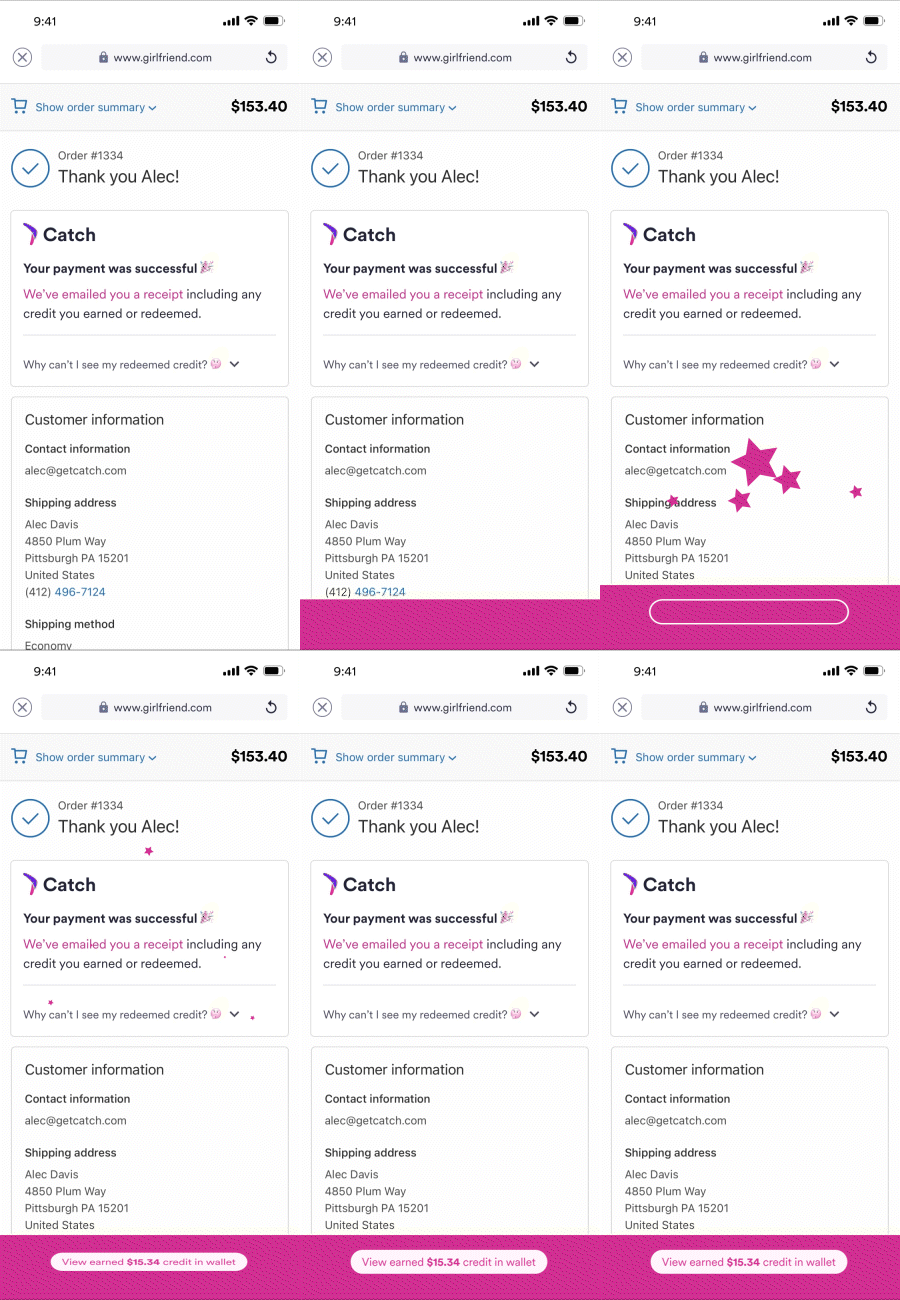
I crafted and proposed implementing a set of animations to enhance the user experience by introducing elements of levity and delight.


Usability Testing Findings
The design process involved sequential refinement of each section, followed by presenting them to users for early feedback on direction and to address concerns. These findings were gathered from multiple usability testing sessions:
1-
Preferences lean towards logging in with phone number, with users expressing desire for further streamlined processes, such as Face ID integration, in an app setting.
2-
Users responded favorably to product recommendations, especially when tailored based on recent purchases, indicating added value to their experience.
3-
Users expressed satisfaction with proposed categories, particularly favoring "Newly added brands" as a key addition. Other desired categories include brands where credit can be redeemed, favorites, and search functionality.
4-
Positive responses were received regarding the inclusion of small brand descriptions, price points, and mission statements, which users found helpful even when already familiar with the brand.
Constraints and Things to Keep in Mind
#1
Implementing product recommendations poses challenges due to the absence of an API with our partners, potentially necessitating manual updates and maintenance.
#2
Integrating original item pricing and item pricing with Catch adds complexity, especially when accounting for discounts not initially identified.
#3
While Face ID offers convenience, its necessity is uncertain. Alternatively, prolonging user login sessions could reduce engineering workload.
#4
Implementing the Profile tab may require significant engineering effort. Consideration could be given to expediting the launch by replicating the web design.
Final Designs
Design Rationale
The mobile app's proposed design introduced key features across three main tabs: Wallet, Explore, and Profile. These features enhanced credit visualization and utilization, improved product discoverability and navigation, and boosted user engagement through notification capabilities.
Prototype